Reviewing the School Teacher Tic Tac Toe Puzzle Game Design
As an embroidery designer who has spent years digitizing and testing patterns for everything from boutique baby wear to high-volume corporate gifts, I approach every new machine embroidery design with a critical eye. It is not just about whether the image looks cute on a screen; it is about how those stitches lay down on fabric, how they hold up after washing, and whether they add genuine value to a finished product. Recently, I evaluated the School Teacher Tic Tac Toe Puzzle Game to determine its viability for real-world projects. While the source material originates from Laser Engraving and Graphics categories intended for cut files, adapting this concept for needle and thread requires a specific understanding of stitch behavior.
First Impressions and Visual Personality
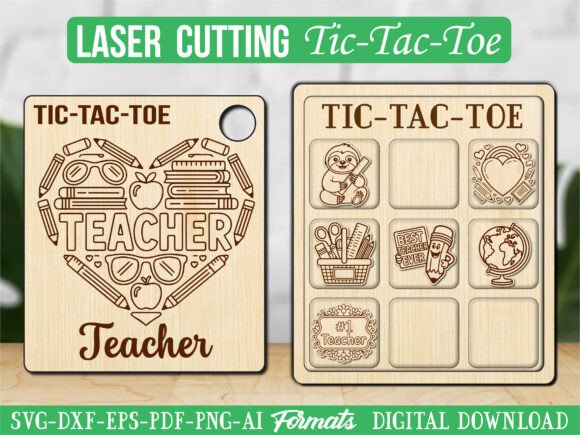
The immediate appeal of the School Teacher Tic Tac Toe Puzzle Game lies in its nostalgic simplicity. The layout evokes a sense of playful learning, making it an ideal candidate for educational themes, teacher appreciation gifts, or back-to-school promotions. Visually, the design relies on clean lines and recognizable shapes—the grid and the classic Xs and Os. For an embroiderer, this suggests a need for precision. Unlike complex pictorial designs that can hide minor tension issues within dense shading, a geometric puzzle game demands crisp edges. The mood is cheerful and organized, which translates well to items that require a professional yet approachable aesthetic.
When reviewing the visual personality, I consider how the negative space interacts with the stitched elements. In a tic-tac-toe grid, the spacing between the lines is crucial. If the gaps are too narrow, the fabric may pucker; if they are too wide, the design might look sparse. This balance is what separates a amateur-looking patch from a polished embroidered patch or apparel accent.
Real-World Application: The Custom Tote Bag Scenario
To truly test the potential of this design, I imagined a specific client request: a set of personalized canvas tote bags for a local elementary school’s end-of-year teacher gifts. The goal was to create a personalized gift that felt thoughtful but not overly sentimental. Here, the School Teacher Tic Tac Toe Puzzle Game shines as a central motif.
On a sturdy cotton canvas, the grid structure provides a strong anchor. I would recommend using a contrasting thread color for the grid lines versus the Xs and Os to create depth. For instance, a navy blue grid with bright yellow and white game pieces would pop against a natural beige tote. This application transforms a simple game into a stylish tote bag design that teachers could actually use for carrying books or supplies. The durability of satin or fill stitches on canvas ensures the design withstands daily wear, adding to the perceived quality of the handmade product.
Versatility Across Product Lines
Beyond tote bags, this design offers surprising versatility for small shop product lines. Consider sweatshirt embroidery. Placed on the left chest or as a larger back print, the tic-tac-toe theme works beautifully for casual, comfortable apparel. For baby embroidery, the soft, rounded versions of Xs and Os can be stitched onto onesies or bibs using pastel threads, appealing to parents looking for gender-neutral, intellectual play themes.
For Etsy sellers and craft business owners, this design can be part of a broader "Classroom Classics" collection. It pairs well with other school-themed motifs like apples, pencils, or books. When used on custom apparel such as polo shirts for tutoring centers or daycare uniforms, it reinforces brand identity through recognizable imagery. The key is consistency. If you are building a brand around educational tools, this digital embroidery file becomes a core design asset that supports your narrative.
Technical Considerations and Stitching Challenges
While the concept is straightforward, executing the School Teacher Tic Tac Toe Puzzle Game requires attention to technical details. One must carefully evaluate the stitch density. Geometric shapes often tempt digitizers to use heavy fill stitch coverage, which can lead to stiffness and fabric distortion. I advise opting for a combination of satin stitch for the borders and lighter fills or even running stitch outlines for internal details, depending on the size of the hoop.
Hoop size is another critical factor. If the design is scaled down for a cap or a small pocket, the intricate corners of the grid may merge. Always test the design on scrap fabric first. Check how the needles penetrate the material, especially if you are working with textured fabrics like terry cloth towels or stretchy knits. On stretchy fabric, a stable backing is non-negotiable to prevent the grid from warping into an oval shape.
Additionally, consider the fabric texture. On dark fabrics, ensure your thread colors have enough luminance to stand out. A common mistake is using threads that are too similar in tone to the background, causing the design to disappear. Use black and white mockups to verify contrast before stitching. If the design includes tiny lettering or detailed corners, inspect them closely at 100% zoom in your software. If the original source is a laser cut graphic, remember that laser paths do not always translate directly to embroidery paths. You may need to adjust jump stitches and trim points to ensure a clean finish.
Enhancing Brand Value and Customer Trust
Using a well-executed design like this affects more than just aesthetics; it impacts customer trust. A crisp, well-stitched tic-tac-toe game signals professionalism. It shows that the maker cares about alignment, thread tension, and overall presentation. For commercial embroidery projects, this level of detail justifies a higher price point. Buyers engage more with products that look durable and thoughtfully created.
Furthermore, the playfulness of the design encourages interaction. A child might actually play the game on a pillow cover or apron, adding an emotional connection to the embroidery project. This emotional resonance drives repeat business and positive reviews, which are vital for any small business owner or apparel decorator.
Practical Designer Notes for Implementation
- Stabilizer Selection: Always use the appropriate stabilizer for your fabric type. Cut-away stabilizers are best for stretchy knits, while tear-away works for woven cottons.
- Thread Contrast: Test your thread choices against both light and dark backgrounds to ensure visibility.
- Scale Testing: Stitch out the design at various sizes to find the sweet spot where details remain clear without becoming too dense.
- Licensing Verification: Since this design originates from a laser cut context, confirm the licensing terms for embroidery use. Ensure you have the right to sell finished items or digital products if that is your intent.
- Mockup Review: Create printable mockups to visualize the design on different products before committing to production.
In conclusion, the School Teacher Tic Tac Toe Puzzle Game is a versatile and charming addition to any designer’s library. With careful attention to stitch density, fabric choice, and placement, it can elevate a wide range of products from simple crafts to premium boutique items. By treating it with the technical respect it deserves, you can create memorable, high-quality pieces that resonate with customers and stand the test of time.