Reviewing Minimalist Line Art Collection of School
As a designer who has spent years digitizing patterns and testing them on everything from flimsy rayon to heavy denim, I have learned that simplicity is often the hardest thing to get right. When I first opened the Minimalist Line Art Collection of School, my initial reaction was one of cautious optimism. In the world of machine embroidery design, line art can easily look messy if the digitizing isn’t precise. However, this set of Icons and Graphics manages to strike a balance between modern aesthetic appeal and technical feasibility.
I decided to put these files through their paces not just as digital assets, but as potential components for real-world products. If you are an Etsy seller, a boutique owner, or a hobbyist looking to elevate your handmade product lineup, understanding how these designs behave under the needle is crucial before you commit to production.
The Aesthetic Appeal and First Impressions
The mood of this collection is clean, academic, and timeless. It avoids the cluttered look that plagues many school-themed designs, opting instead for recognizable silhouettes and simple outlines. This visual personality makes it incredibly versatile. It does not scream "children only," which opens up a broader market for your custom apparel. You can easily see these designs appealing to teachers, college students, and parents alike.
From a design perspective, the layout is well-balanced. The lines are consistent in weight, which is vital for maintaining clarity when scaled down. When I viewed the files in Adobe Illustrator, the vectors were crisp, suggesting that the underlying embroidery file structure should hold up well during stitching. For those creating printable mockup previews for their online shops, these design assets offer a professional look that enhances brand consistency.
Real-World Application: The Teacher’s Tote Bag
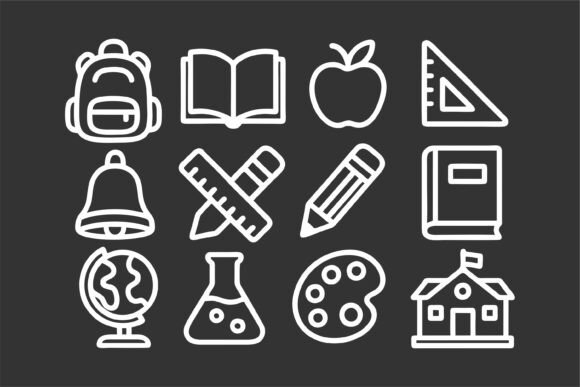
To test the practicality of the Minimalist Line Art Collection of School, I simulated a project for a local teacher who wanted a subtle yet stylish tote bag design. She requested something that wouldn’t look childish but would still celebrate her profession. I selected a few icons from the collection—a simple apple, an open book, and a pencil—and arranged them in a small cluster.
The result was impressive. Because the designs rely on clean lines rather than dense fills, they stitched out quickly and cleanly on the canvas tote. The lack of heavy fill stitch areas meant the fabric did not pucker, a common issue with cheaper digitized files. This experience highlighted why this collection is ideal for commercial embroidery projects where speed and quality control are paramount. For an Etsy seller, faster stitch times mean lower production costs and higher profit margins.
Versatility Across Products
Beyond tote bags, I envision these graphics working beautifully on a variety of items. For sweatshirt embroidery, the minimalist style looks sophisticated when placed on the left chest area. It adds a touch of personalization without overwhelming the garment. Similarly, for baby embroidery, the soft, simple lines are gentle and appropriate for nursery decor or personalized blankets. The designs also translate well to embroidered patch creation, where clear boundaries are essential for a clean cut-and-sew finish.
If you are preparing for holiday embroidery seasons, such as back-to-school promotions or graduation gifts, these icons serve as excellent base elements. They can be combined with text or other decorative accents to create unique personalized gift options. The key is their adaptability; they do not dictate a specific color scheme, allowing you to match thread colors to current fashion trends or school branding.
Technical Considerations and Stitching Performance
While the designs are robust, no digital file is immune to the quirks of physical materials. Here is what you need to watch for when using this collection in your embroidery project.
- Fabric Texture and Stability: Line art relies on precision. On highly textured fabrics like terry cloth or loose-weave linen, thin running stitches might get lost or appear uneven. Always use a proper stabilizer to support the fabric. For stretchy materials like jersey knits used in t-shirts, a cut-away stabilizer is recommended to prevent distortion.
- Stitch Density and Type: Most of these designs utilize running stitch or light satin borders. This is generally good for reducing bulk, but it means the design lacks the raised texture of a dense fill. If your customer expects a plush, 3D feel, this might not be the right choice. However, for a flat, modern look, it is perfect.
- Scale and Hoop Size: Because these are minimalist, scaling them down too much can cause the lines to merge or break. Always check the minimum recommended size. If you are working with a small hoop size, ensure that the details remain distinct. Test stitching on scrap fabric is non-negotiable here.
- Thread Color Contrast: These designs shine when there is high contrast between the thread and the fabric. On dark fabrics, use bright or metallic threads to ensure visibility. On light fabrics, darker threads provide definition. Low-contrast combinations may make the design disappear, especially from a distance.
Commercial Viability and Brand Value
For creative entrepreneurs, the value of the Minimalist Line Art Collection of School lies in its professionalism. Using high-quality, well-digitized Graphics signals to customers that you care about quality. A sloppy embroidery job can damage your reputation, but a clean, crisp line design builds trust.
Since this is a digital product with unlimited prints, it offers excellent ROI for small business owners. You can use the same design across multiple product lines—aprons, caps, pillow covers, and kitchen towels—without worrying about licensing fees per unit, provided you adhere to the specific license terms included in the download. Always confirm whether the license allows for commercial use of the finished product before listing items for sale.
Moreover, these designs are excellent for creating cohesive social media content. The clean lines photograph well, making them ideal for Instagram posts or Pinterest pins that drive traffic to your shop. They help maintain a consistent visual identity, which is crucial for brand recognition.
Final Verdict and Designer Notes
The Minimalist Line Art Collection of School is a solid addition to any designer’s library. It is not just a set of cute icons; it is a toolkit for creating sophisticated, marketable products. However, success depends on execution.
- Test Before You Sell: Never assume a file will stitch perfectly on every machine. Run a test on the actual fabric you plan to use.
- Check File Formats: The product includes EPS, PDF, SVG, and AI files. Ensure your embroidery software can convert these vector formats into machine-readable stitch files if native embroidery formats are not provided, or check if specific DST/PES files are included in the full package.
- Mind the Details: Inspect small corners and curves. If your machine struggles with sharp turns, you may need to adjust the density or add tie-offs manually in your digitizing software.
- Consider the End User: Think about how the item will be washed. Simple line art holds up well to laundering, but ensure your thread quality matches the durability expectations of the customer.
In conclusion, if you are looking for versatile, modern, and professionally viable designs for your next craft business venture, this collection deserves a spot in your workflow. It respects the constraints of embroidery while delivering a contemporary aesthetic that resonates with today’s buyers. Just remember: the best design is only as good as the stitching that brings it to life.